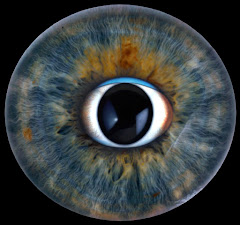
Clinical Case Studies
Practice differential diagnosis and management planning from concise vignettes, exam data, and ophthalmic images.
- Chief complaint and history
- Exam and imaging findings
- Teaching pearls and next steps
Learning paths
Use these paths to move from fundamentals to image-based cases, surgical concepts, and high-yield review.
Practice differential diagnosis and management planning from concise vignettes, exam data, and ophthalmic images.
Prepare for ophthalmic procedures with stepwise teaching, anatomy review, common pitfalls, and technique reminders.
Build a foundation with high-yield reviews on anatomy, optics, pathology, pharmacology, and exam frameworks.
Choose an indirect lens, slit lamp lens, macula/nerve lens, and gonio lens using a resident-focused decision guide.
Adapt case structures, image prompts, and discussion questions for small-group teaching or independent review.
How to use EyeSpy
Start with a case or resource, pause before the answer, and write down your differential. Then compare your thinking against the teaching points and management plan.
For group learning, use one case as a conference warm-up or a quick teaching session before clinic.