Case 16Traumatic Hyphema
Clinical Presentation
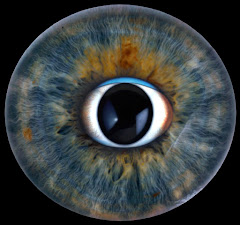
A 25-year-old medical student was struck in the eye with a ball while playing racquetball. He was not wearing protective eye gear. The injured eye is shown.
Learner Questions
- What are the ocular findings?
- What are the short- and long-term complications?
- Discuss management and follow-up care.
Answer Framework
Findings
HYPHEMA - blood layering inferiorly in the anterior chamber. Grade I (<1/3 AC), II (1/3-1/2), III (>1/2), IV ('8-ball' = total). Mechanism: blunt trauma -> rapid globe deformation -> tearing of iris/ciliary body vasculature -> bleeding into AC. Also: subconjunctival hemorrhage, iridodialysis, lens subluxation possible.
Complications
Short-term: Rebleeding (days 2-5 = most feared; secondary hyphemas often larger), elevated IOP (RBCs block trabecular meshwork), corneal blood staining (IOP >25 + large hyphema >6 days -> permanent), posterior segment trauma (VH, commotio retinae, choroidal rupture, RD). Long-term: Angle recession glaucoma (10-20 years later - lifetime surveillance), traumatic cataract, optic atrophy.
Management
Rigid shield (no pressure patch), head elevated 30-45 degrees , activity restriction, no aspirin/NSAIDs. Topical cycloplegic + prednisolone acetate. IOP drops if elevated (avoid PGs and pilocarpine). Aminocaproic acid (antifibrinolytic) for high-risk patients. AC washout if: IOP >35 x 7 days, Grade IV, or corneal staining threat. SICKLE CELL: test HbS in all African-Americans - IOP 24 mmHg can be dangerous; avoid CAIs (acidosis -> sickling). Daily follow-up x 5 days; gonioscopy at 4-6 weeks.
Teaching Pearl
Hyphema: prevent rebleeding (days 2-5) and IOP spike. Long-term sleeper = ANGLE RECESSION GLAUCOMA (10-20 years later). Test HbS in all African-American patients - sickle cell trait is 32x higher risk for dangerous IOP spike with hyphema. Racquetball is the highest-risk sport for eye trauma - ASTM-certified polycarbonate eyewear would have prevented this entirely.
Original answer transcript
Findings
HYPHEMA - blood layering inferiorly in the anterior chamber. Grade I (<1/3 AC), II (1/3-1/2), III (>1/2), IV ('8-ball' = total). Mechanism: blunt trauma -> rapid globe deformation -> tearing of iris/ciliary
body vasculature -> bleeding into AC. Also: subconjunctival hemorrhage, iridodialysis, lens subluxation possible.
Complications
Short-term: Rebleeding (days 2-5 = most feared; secondary hyphemas often larger), elevated IOP (RBCs block trabecular meshwork), corneal blood staining (IOP >25 + large hyphema >6 days ->
permanent), posterior segment trauma (VH, commotio retinae, choroidal rupture, RD). Long-term: Angle recession glaucoma (10-20 years later - lifetime surveillance), traumatic cataract, optic
atrophy.
Management
Rigid shield (no pressure patch), head elevated 30-45 degrees , activity restriction, no aspirin/NSAIDs. Topical cycloplegic + prednisolone acetate. IOP drops if elevated (avoid PGs and pilocarpine).
Aminocaproic acid (antifibrinolytic) for high-risk patients. AC washout if: IOP >35 x 7 days, Grade IV, or corneal staining threat. SICKLE CELL: test HbS in all African-Americans - IOP 24 mmHg can
be dangerous; avoid CAIs (acidosis -> sickling). Daily follow-up x 5 days; gonioscopy at 4-6 weeks.
TEACHING PEARL
Hyphema: prevent rebleeding (days 2-5) and IOP spike. Long-term sleeper = ANGLE RECESSION GLAUCOMA (10-20 years later). Test HbS in all African-American patients
- sickle cell trait is 32x higher risk for dangerous IOP spike with hyphema. Racquetball is the highest-risk sport for eye trauma - ASTM-certified polycarbonate eyewear
would have prevented this entirely.