Case 24Alkali Chemical Burn
Clinical Presentation
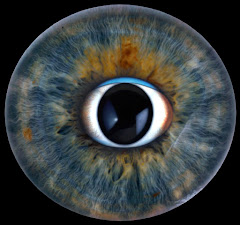
A 32-year-old construction worker was injured when a lye compound was splashed into his eye. He arrives at the emergency center 15 minutes after the injury. The photograph illustrates the injured eye.
Learner Questions
- What would your first steps be in managing this patient?
- What are your ocular findings?
- What are your recommendations for subacute and long-term management?
- What is the prognosis?
Answer Framework
First steps - IMMEDIATE Subacute + long-term
IRRIGATE FIRST - before history, before examination, before consent. COPIOUS Acute: topical steroids (prednisolone, stop after 10-14 days), topical Abx, cycloplegic, Vit C IRRIGATION: 1-2 L normal saline or LR via IV tubing over the open eye. Morgan lens for (topical + systemic, promotes collagen synthesis), amniotic membrane transplantation hands-free continuous irrigation in the ED. Irrigate >=30 MINUTES for alkali (vs. 15-20 min (early application down inflammation/scarring). Subacute: symblepharon prevention (glass rod for acid). EVERT EYELIDS + sweep fornices (remove particulate matter - lime/plaster sweeping BID, AMT ring), corneal ulceration (tetracycline collagenase inhibition, continues releasing alkali). Topical anesthetic for pain. Check pH after irrigation - target tarsorrhaphy, patch graft). Long-term: Limbal Stem Cell Transplantation (LSCT) + 7.0-7.4. Time to irrigation = single most important prognostic factor. keratoplasty (PK or DALK) once eye is quiet.
Findings Prognosis
Total corneal opacification (white, hazy cornea = full-thickness alkali penetration into Alkali = WORSE than acid: liquefactive necrosis (saponifies cell membranes, penetrates stroma). Conjunctival ischemia/PERILIMBAL WHITENING (loss of conjunctival vessels from through cornea into AC within minutes, ongoing damage). Acid = coagulative necrosis thrombosis - key prognostic sign: >180 degrees limbal ischemia = guarded prognosis). Severe (denatured protein barrier limits penetration - self-limited). This patient (likely Grade IV): chemosis and injection. AC reaction from direct chemical penetration. Roper-Hall Grade IV guarded-to-poor prognosis. With LSCT + keratoplasty, some functional vision possible. = opaque cornea + >1/2 limbal ischemia = POOR prognosis. Complications: corneal scarring/NV, chronic epithelial defect, symblepharon, secondary glaucoma, cataract, phthisis bulbi.
Teaching Pearl
Chemical burns: IRRIGATE FIRST - every second of delay allows deeper alkali penetration. Alkali > acid: liquefactive necrosis vs. self-limiting coagulative necrosis. After 30+ min irrigation, check pH (7.0-7.4 = adequate decontamination). The LIMBAL STEM CELL is the prognostic structure - >180 degrees limbal ischemia = guarded long-term prognosis. Limbal stem cell failure = chronic, progressive corneal failure.
Original answer transcript
First steps - IMMEDIATE Subacute + long-term
IRRIGATE FIRST - before history, before examination, before consent. COPIOUS Acute: topical steroids (prednisolone, stop after 10-14 days), topical Abx, cycloplegic, Vit C
IRRIGATION: 1-2 L normal saline or LR via IV tubing over the open eye. Morgan lens for (topical + systemic, promotes collagen synthesis), amniotic membrane transplantation
hands-free continuous irrigation in the ED. Irrigate >=30 MINUTES for alkali (vs. 15-20 min (early application down inflammation/scarring). Subacute: symblepharon prevention (glass rod
for acid). EVERT EYELIDS + sweep fornices (remove particulate matter - lime/plaster sweeping BID, AMT ring), corneal ulceration (tetracycline collagenase inhibition,
continues releasing alkali). Topical anesthetic for pain. Check pH after irrigation - target tarsorrhaphy, patch graft). Long-term: Limbal Stem Cell Transplantation (LSCT) +
7.0-7.4. Time to irrigation = single most important prognostic factor. keratoplasty (PK or DALK) once eye is quiet.
Findings Prognosis
Total corneal opacification (white, hazy cornea = full-thickness alkali penetration into Alkali = WORSE than acid: liquefactive necrosis (saponifies cell membranes, penetrates
stroma). Conjunctival ischemia/PERILIMBAL WHITENING (loss of conjunctival vessels from through cornea into AC within minutes, ongoing damage). Acid = coagulative necrosis
thrombosis - key prognostic sign: >180 degrees limbal ischemia = guarded prognosis). Severe (denatured protein barrier limits penetration - self-limited). This patient (likely Grade IV):
chemosis and injection. AC reaction from direct chemical penetration. Roper-Hall Grade IV guarded-to-poor prognosis. With LSCT + keratoplasty, some functional vision possible.
= opaque cornea + >1/2 limbal ischemia = POOR prognosis. Complications: corneal scarring/NV, chronic epithelial defect, symblepharon, secondary
glaucoma, cataract, phthisis bulbi.
TEACHING PEARL
Chemical burns: IRRIGATE FIRST - every second of delay allows deeper alkali penetration. Alkali > acid: liquefactive necrosis vs. self-limiting coagulative necrosis. After
30+ min irrigation, check pH (7.0-7.4 = adequate decontamination). The LIMBAL STEM CELL is the prognostic structure - >180 degrees limbal ischemia = guarded long-term
prognosis. Limbal stem cell failure = chronic, progressive corneal failure.